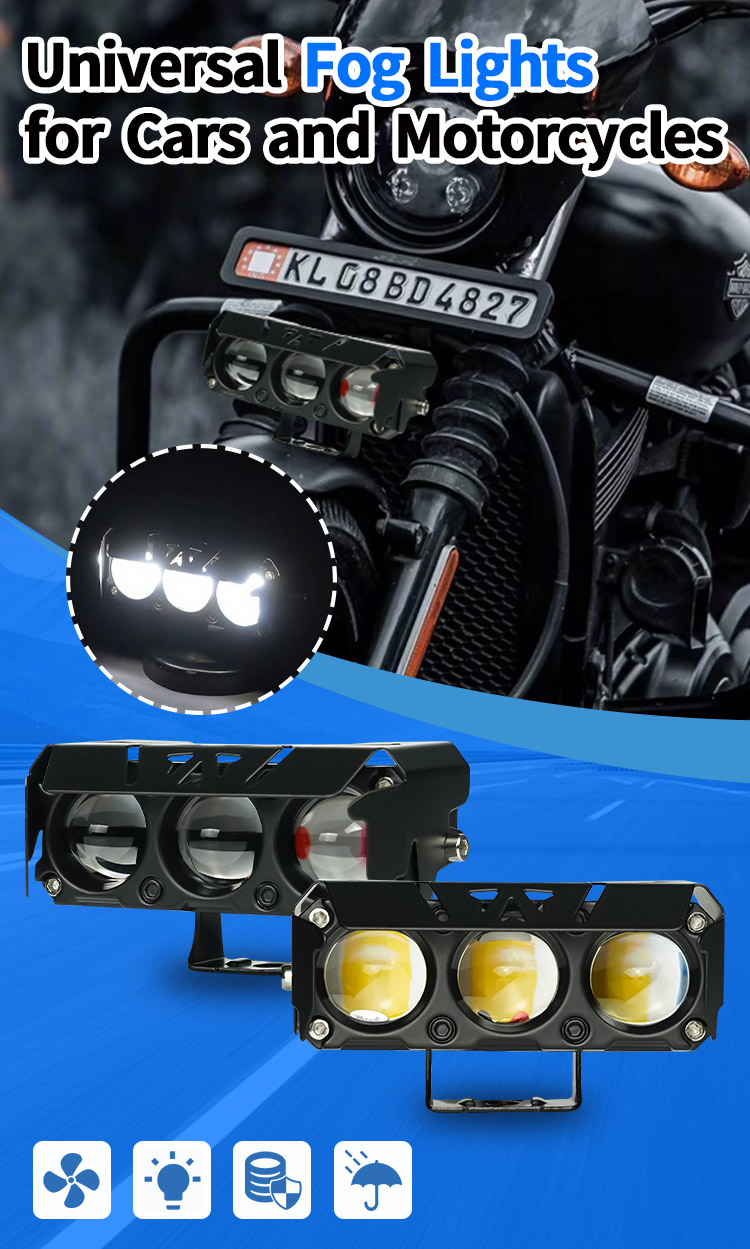
In recent years, driven by the global motorcycle electrification transformation and outdoor modification trend, the motorcycle lighting market has ushered in a new round of industrial restructuring. In the past, the industry relied on low-price homogenization competition, and most manufacturers focused on the production of ordinary halogen lights and basic LED lights, with single product structure and low added value. With the continuous improvement of global traffic safety standards and the upgrading of consumer demand, the traditional price-oriented competition model is gradually failing. At present, the motorcycle lighting market is transitioning from basic functional supply to high-performance, intelligent and compliant high-end supply. Understanding the future competition direction of the industry is crucial for manufacturers, cross-border suppliers and B-end distributors to adjust product layout and seize market dividends.
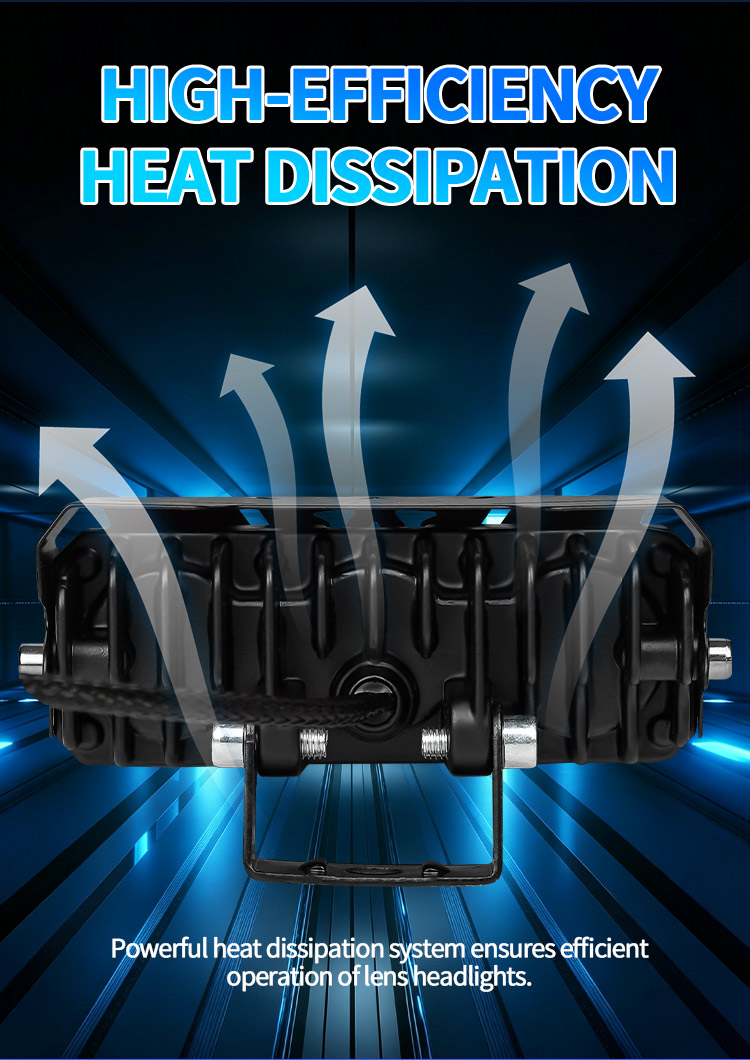
LED lighting iteration and high-performance upgrade will become the basic competitive threshold of the motorcycle lighting market. Traditional halogen lights have inherent defects such as high power consumption, short service life and poor stability, and are gradually being phased out of the mainstream market. At present, the market’s basic LED products are saturated, and future competition will no longer focus on simple lighting functions, but on comprehensive performance upgrades including high brightness, low power consumption, heat dissipation stability and weather resistance. High-performance LED motorcycle lights with anti-glare, high penetration and long-life attributes will become the mainstream standard for market matching. Manufacturers that fail to complete product performance upgrades will be eliminated in the increasingly stringent market competition.
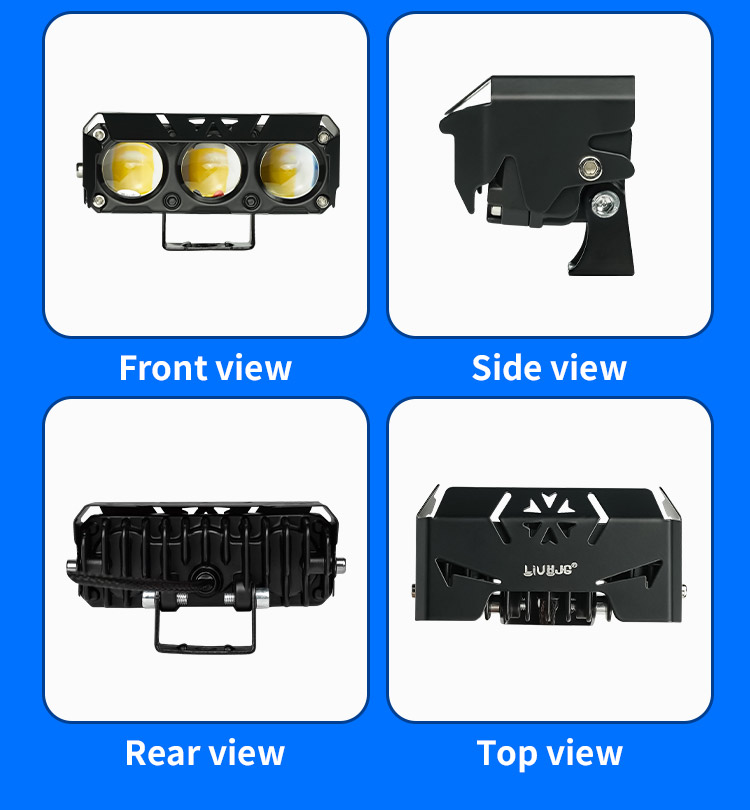
Intelligent lighting technology will be the core competitive track to open up market differences. With the popularization of smart motorcycles and electric two-wheedler, ordinary fixed-mode lighting products can no longer meet the needs of high-end riding scenarios. The future motorcycle lighting market will take intelligent upgrading as the key breakthrough point, and realize adaptive brightness adjustment, automatic light switching, sensor linkage and other intelligent functions through optimized drive modules and optical systems. Intelligent motorcycle lights can realize automatic dimming according to road conditions, ambient light and vehicle speed, which greatly improves riding safety and product experience. For B-end buyers and brand manufacturers, intelligent lighting products with independent technical advantages have stronger market differentiation and premium capabilities.
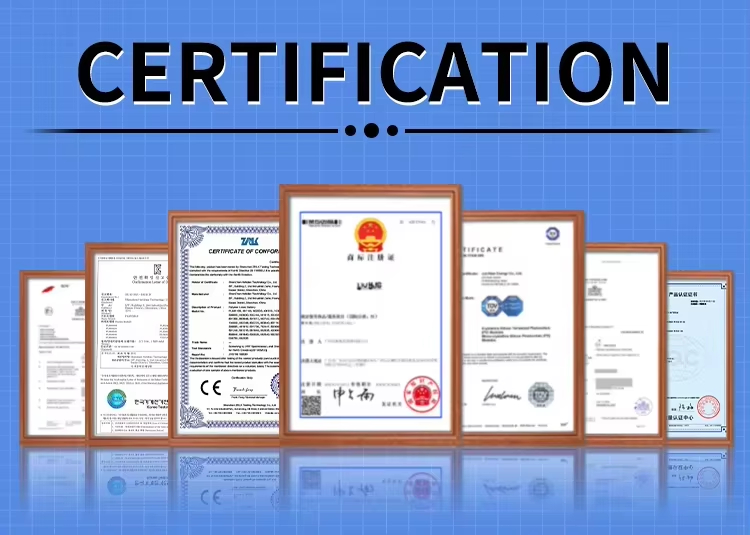
Market compliance and standardized certification will become essential competition qualifications. In recent years, overseas markets such as Europe, America and Southeast Asia have continuously tightened the access standards for motorcycle lighting products. E-mark, DOT and other international certifications have become mandatory thresholds for product exports. In the past, many small and medium-sized manufacturers relied on unfortified low-cost products to seize the market, but with the standardized development of the industry, non-compliant products are gradually blocked from mainstream overseas markets. In the future, product compliance capability, complete certification system and standardized production level will become important indicators for B-end customers to screen suppliers, and also the core basis for enterprises to stabilize overseas export markets.
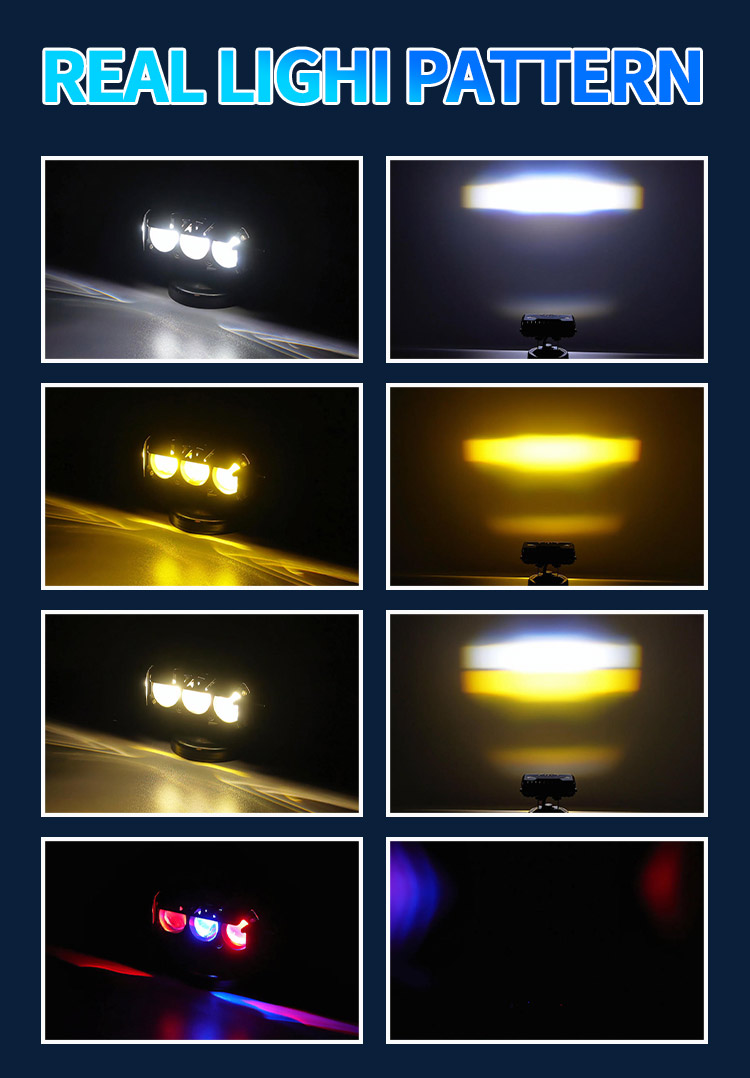
Segmented customization and scenario-based product layout will create new competitive growth points. The current motorcycle lighting market presents obvious differentiated demand. Off-road motorcycles require shock-resistant, waterproof and high-penetration lights; urban commuter electric motorcycles pursue energy-saving, miniaturized and anti-glare lighting products; high-end modified vehicles focus on personalized light types and intelligent control functions. In the future, homogenized universal products will lose competitive advantages, and scenario-based segmented customization and OEM/ODM personalized solutions will become the mainstream development trend. Manufacturers focusing on segmented market needs can effectively avoid homogeneous price wars and obtain long-term stable order resources.
To sum up, the future competition of the motorcycle lighting market will shift from simple price competition to comprehensive strength competition dominated by performance iteration, intelligent technology, compliance certification and segmented customization. With the continuous upgrading of the global motorcycle industry, high-performance, intelligent, compliant and scenario-based customized lighting products will occupy the main market share. B-end enterprises should actively adjust product strategies, accelerate technical upgrading and standardized layout, and tap segmented market demand, so as to maintain long-term competitiveness in the increasingly competitive motorcycle lighting market.